|
Finessing Your Way into Swimbait Fishing:
How-To Get Started Swimbait Fishing
(continued)
  Rods:
The commitment of buying a rod dedicated to a technique you may not even enjoy
is daunting, especially if you live in a rural area like me and have limited to
no access to handle tackle before purchasing. Reading reviews here on
TackleTour, watching YouTube videos and chatting on social media can get you in
the right direction. Remember to "translate" anything you learn back to your
home waters. The needs of a Cali angler are quite different than that of an
Upper Midwest bass angler. Rods:
The commitment of buying a rod dedicated to a technique you may not even enjoy
is daunting, especially if you live in a rural area like me and have limited to
no access to handle tackle before purchasing. Reading reviews here on
TackleTour, watching YouTube videos and chatting on social media can get you in
the right direction. Remember to "translate" anything you learn back to your
home waters. The needs of a Cali angler are quite different than that of an
Upper Midwest bass angler.
Although I
wouldn't recommend you purchase a rod with the assumption you will cast higher
than the rod's upper weight limit, many medium-heavy and heavy powered rods can
handle more weight than it is rated for. The casting motion for most swimbaits
is a slower swing and not force loading the rod. If you have a medium-heavy to
extra-heavy rod, give it a try with some 1oz to 2oz lures you already have. If
it feels comfortable after a few casts, use that rod as a starting point for
your swimbait adventure.
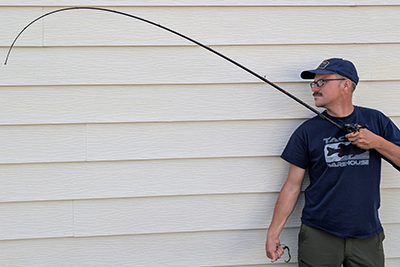
The only exception would be XF rods, as they don't cast well and are less
forgiving
For a long time,
I used my Kistler Helium 3 M.O.D. 7'10 punching rod as my swimbait rod.
The slower action has enough give to cushion strikes and to keep fish pinned.
The rod is capable of casting 3oz swimbaits and was responsive enough to work
glidebaits. I have also tested a few faster actioned flipping rods such as the
Daiwa Tatula Elite Ish Monroe Flipping Rod with decent results. I offset
the responsiveness of these carbon rods by using monofilament such as VARIVAS
Absolute Big Bait Monster Nylon monofilament.
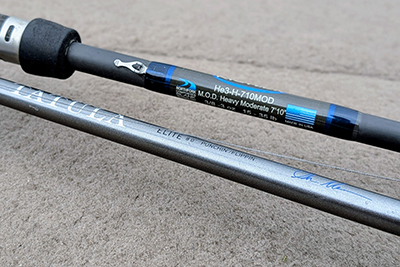
Rods designed for punching/flipping work quite well for improvised swimbait
fishing
I recently took
the plunge and added a Megabass Orochi X10 Bushadder to my lineup. Although
designed as a heavier cover jig and pitching rod, I wanted to test an enthusiast
level rod for swimbaits without having to fully commit my purchase toward a
dedicated swimbait rod. For swimbaits around 3oz down to about 1/2oz, the rod
has performed noticeably better than the repurposed flipping rods I was using
prior. The tip is crisp and forgiving during the cast while being responsive
during while working the lure. The backbone is also versatile for this lure
range, keeping fish pinned without overpowering the fight as well. When going to
a lake I know I won't be using a swimbait, I swap reels and have a perfectly
capable pitching or single hook moving bait rod.
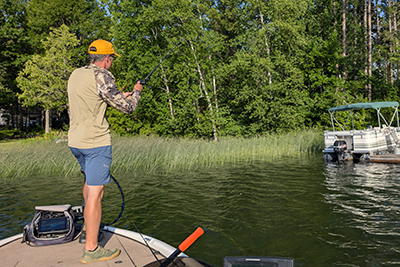
The shorter length of the Bushadder is great for casting around targets
Reels: Just
like the rods, you more than likely already own a reel or two that can handle
chucking swimbaits. I have used a 100 sized Daiwa Tatula for a while with no ill
side effects. Line capacity is enough, drag is adequate and the reel was sitting
just sitting as a spare anyway. The idea is to get a feel for swimbait fishing
and not to overthink the tackle used during your testing phase.
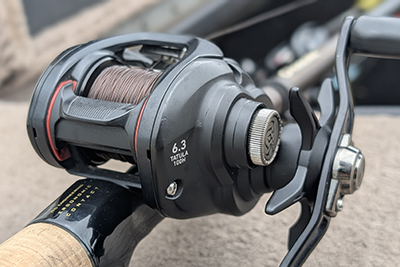
Use what tackle you already have to give swimbait fishing a try
Regardless of what reel you
use, line capacity will be your primary concern when starting out. There are
additional factors to consider for a dedicated swimbait reel but, all of those
features will not matter if the reel doesn't hold enough line in the first
place. Again, I stress using a reel you already own for a while to feel out what
you may need for your style of swimbait fishing.
If working the lures with the
rod, such as glidebaits or you have some low resistance swimming baits, a faster
gear ratio around 6.5-7 will be just fine. You can pick up loose line and set
the hook faster on slack line or, you can burn a bait back if you are working
targets such as docks or weedlines.
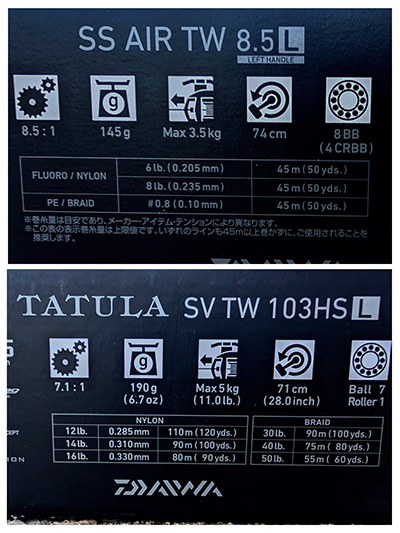
Only a 3cm per turn difference between these two reels, showing spool diameter
is often overlooked as a factor for retrieve speed.
Lower gear ratios below 6.5
are best for high resistance baits such as wakebaits and wide-bodied hardbaits.
These lures produce a ton of action at the expense of having to push a large
amount of water to do so. Having the extra torque of a lower gear ratio helps
and, the slower speed will help you from work these lures too fast.
Line Selection:
This is an area where finesse swimbait anglers will actually have more choices
that the "traditional" swimbait angler. The common "braid vs mono vs
fluorocarbon" attributes are more distinguishable when getting into larger
diameters and working hefty lures.
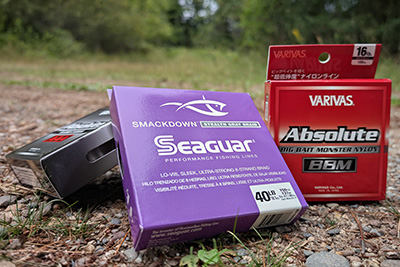
Braid is great to start out with. In my opinion losing a few fish is less gut
wrenching than losing a few lures
Braided line is
often chosen by swimbait enthusiasts more so as an insurance policy than its
actual properties. There are times the non-stretch properties help with hooksets
and getting fish out of weeds. The smaller diameter compared to say 16lb mono,
is beneficial for casting distance and keeping your retrieve speed higher
compared to using mono for fluorocarbon.
Depending on
your rod setup, braided line can attribute to ripping more hooks from fish,
especially on short line. Most diehard swimbait anglers will tailor their rod
choice to accommodate braided line in order to provide some cushion in the
setup. A mono shock leader will help with short line thrashing as you attempt to
land the fish. The stiffer leader will also reduce the supple braided line from
getting tangled in the lure's hooks.
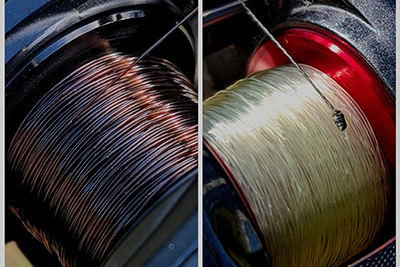
16lb mono vs 50lb braid. Braid casted 10yds further using less volume, retaining
more IPT
Monofilament
line excels for most of my swimbait fishing, especially when using a faster
action rod such as a flipping or punching rod being improvised to chuck
swimbaits. The stretch of mono helps with shock absorption on the cast and also
during short line strikes that are common in darker water.
Although I
prefer fluorocarbon to monofilament in most situations, the reduced shock
absorption and stiffer nature of fluorocarbon causes more headaches than the
low-viz advantages are worth. Getting into 14-20lb diameters, the differences
between the two lines really starts to show. A dedicated fluorocarbon leader
material instead of utilizing a fluorocarbon mainline as a leader will give much
better results around toothy critters or abrasive cover than braided line alone.
With swimbait
fishing becoming more accessible, line companies are focusing on specific
products to enhance swimbait fishing by mitigating many issues anglers have that
are unique to swimbait fishing.
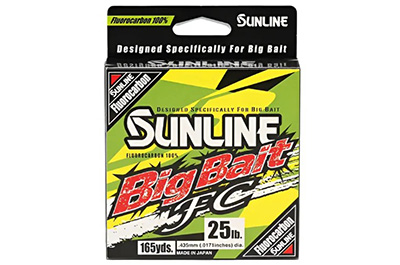
At ICAST 2025, Sunline announced Big Bait FC, designed to have more shock
resistance and knot strength than traditional fluorocarbon lines.
BFS Swimbaits:
An Oxymoron with Big Results: As
many people reading this article know, I am mostly known for BFS fishing. If
you've never heard of it, I cover the topic in-depth in a past
TackleTour
article. Keep in mind, you can also use a spinning reel for these
diminutive sized swimbaits as well.
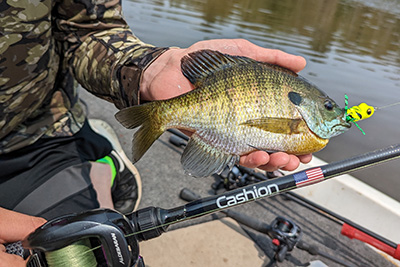
If ultra-finesse frog fishing exists, why not swimbaits???
This whole
article has been aimed to reducing barriers most anglers perceive that come with
swimbait fishing. Taking the same tackle and shooting it with a sci-fi shrinking
ray, you can apply the same principles as above into any body of water. In doing
so, I have found in some high-pressure situations, I have been able to coax
stubborn fish that don't want to waste their time with traditional finesse baits
but, are not committed enough to tackle a normal sized swimbait. This
"Goldilocks" approach of a BFS-sized swimbait has saved more times than I can
count.
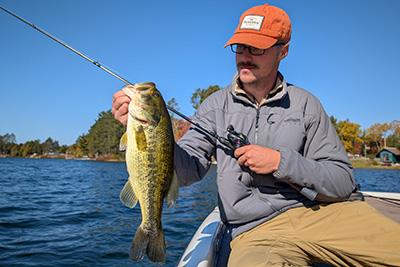
BFS swimbaits bailing me out of a rough day on the water
Being smaller in
size, ultra-finesse swimbaits are a good way to increase the amount of bites
while still getting most of the thrill of using larger swimbaits. I'm not
talking about panfish sized baits. The smallest I'll go is about a 3" minnow
style soft plastic such as the 3.25" version of the Strike King Rage Swimmer
and rig it on a 1/8oz jighead. Although your average size of the fish will be
smaller, it is a good way to stay engaged and learn some of the intricacies of
swimbait fishing while catching more fish. Pay attention to how the fish react,
this can give you a leg up for when you start tossing bigger swimbaits. Big fish
still hit smaller lures so, don't count out the ultra-finesse approach to
swimbait fishing.
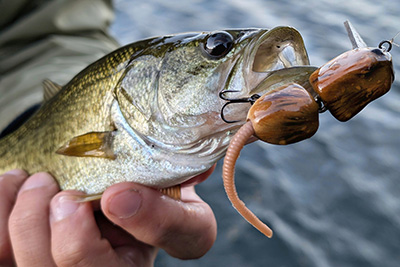
Catching a fish, no matter what size, is always exhilarating on a rodent
With the
popularity of BFS fishing rising, tackle companies are putting out micro-sized
versions of their popular lures. While I find some gimmicky, most downsized
versions I have come across do have pretty good action. My personal favorite
"micro swimbait" is the Pip Squeak made by
FoF
Fishing.
As the name implies, it is a much smaller version of the larger rat profile
wakebaits.
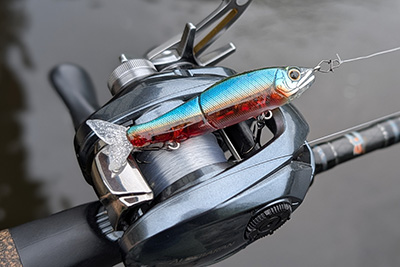
The popular Gan Craft Jointed Claw in a cute yet deadly 70mm size
The rod and reel
selection for ultra-finesse swimbait fishing is more straightforward than with
"normal" size swimbaits. Does the rod/reel cast my lure? Yup. That's about it. I
will say finesse rods can vary quite a bit so, try not to use slow action rods
as they generally will feel sloppy when casting or working these ultra-finesse
swimbaits. You can always make a rod "faster" by using braided line or, make the
rod "slower" by using monofilament.
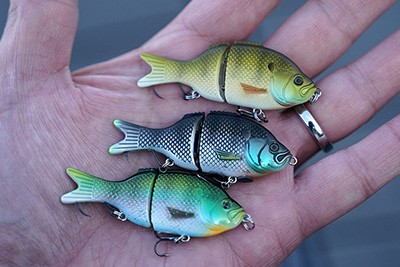
There are some
very exciting BFS swimbaits coming soon, including the Baitsanity Micro BFS
Glide Gills launching this Spring, as the popularity for these class of baits
soars
Conclusion:
With some creative improvising with tackle you most likely already own and
tackle companies' recent focus of swimbait accessibility, swimbait fishing is no
longer an out-of-reach niche reserved for warmer climates with giant bass.
Casual anglers and those of us not in California, Texas or Florida can enjoy the
same thrill of coaxing the biggest fish in our waters to hit the biggest lures
they probably ever seen.
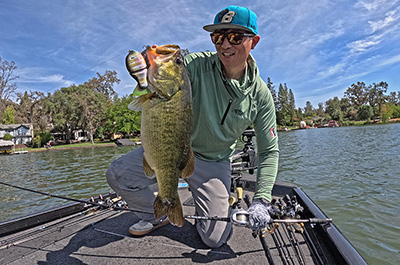
Zander's
favorite way to target big fish is with hard bodied swimbaits. Being a BFS
specialist I'm on the opposite end of the bait spectrum but have really enjoyed
diving into swimbaits of all sizes
Like
weightlifting, getting into swimbait fishing requires a gradual buildup and
results are not always measured by sheer weight. Dedication, technique and
resilience are greater contributors to success above anything else. Stick to it
and after you get a few fish, you will know why so many anglers will live and
die by the swimbait.
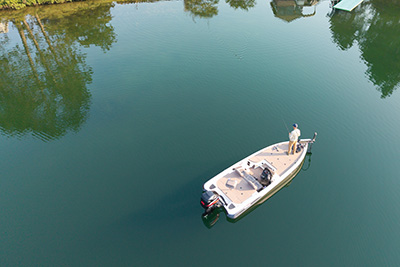
Dedicate some time with a swimbait, you will not regret it!
As an angler who
spent years being reluctant to roll the dice on swimbait fishing, I am glad I
took the plunge. Even though I can't say every fish you catch on a swimbait will
be massive, you will have a ton of fun hooking up tossing around baits you
thought weren't possible.
Looking to start
your swimbait fishing journey?
There are an assortment of great options at
Tackle Warehouse
 |