|
Finessing Your Way into Swimbait Fishing:
How-To Get Started Swimbait Fishing
(continued)
  Glidebaits:
Glidebaits can be one single piece or a jointed lure without a bill to impart
action. The twitches are often slow and followed by a pause to allow the lure to
glide, as the name implies. Generally slow sinking, these lifeless lures are
brought to life by angler input like a puppet to create some of the most
memorable bites you will get while fishing. Glidebaits:
Glidebaits can be one single piece or a jointed lure without a bill to impart
action. The twitches are often slow and followed by a pause to allow the lure to
glide, as the name implies. Generally slow sinking, these lifeless lures are
brought to life by angler input like a puppet to create some of the most
memorable bites you will get while fishing.
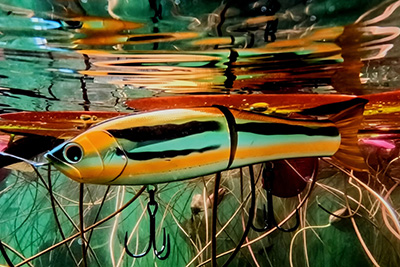
Pausing glidebaits next to cover draws even the biggest fish out
Working a glidebait is like a
dance, the lure's direct reaction to the input of your rod makes for a more
intimate encounter with the fish that decide to bite. Nothing compares to
watching a bass follow your glidebait a few times until that final cast where
you crack the code to getting that bass to commit. Could be a slower twitch, a
faster twitch or just a single hard jerk with a long pause is what triggers that
bass to commit. There isn't a bite in fishing that is quite like one that comes
from a glidebait.
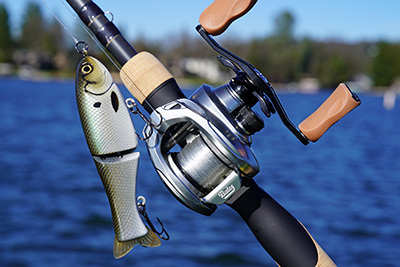
One of
Zander's favorite finesse glides is The Gracely Baits Shat, one of the first
custom finesse glides which paved the way for smaller profiled custom glides
If you keep getting fish
following but not committing, having a finesse setup ready to cast is a high
percentage way to get hooked up. Doing this one-two combo is a good way to build
confidence in a swimbait without the repeated disappointment of missing nice
fish. Abusing this strategy as a crutch will hinder your progress as a swimbait
angler, use with caution.
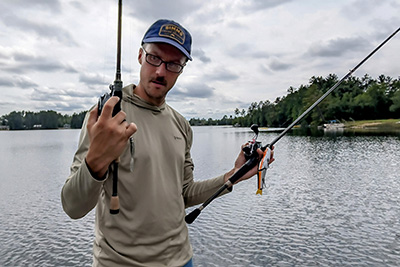
For stubborn fish, I keep a Ned rig ready as a follow-up bait
Soft Swimbaits:
As the name implies, soft swimbaits are made from silicone or other soft
compound to impart a lifelike action and texture to the lure. Most soft
swimbaits have far less of a learning curve that the hard-bodied swimbaits
mentioned above, usually just cast and retrieve. If you are looking to get
started in swimbait fishing, tossing a soft swimbait is a sure way to build
confidence.
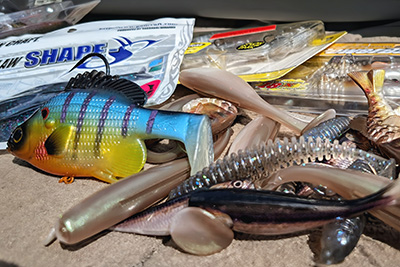
Soft swimbaits come in a wide variety of shapes and sizes
Paddletails:
Usually considered a "soft" entry into swimbaits, larger soft plastic
paddletails are affordable and usually easily available from local tackle shops.
Soft plastic paddletails can be rigged weightless to be worked over or inside of
weeds, rigged on a jig head for more depth or, even on a heavier Tokyo Rig to be
pitched around heavy cover. You can gradually upsize the profile of your
presentation as you begin to target larger fish.
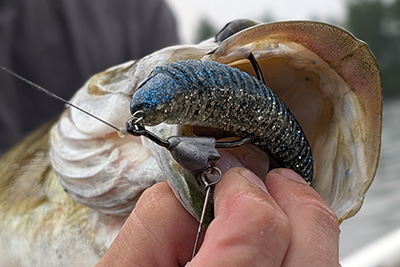
Compressible
soft baits, such as a paddletail, are a great choice for smallmouth
Smaller
paddletails such as the Keitech Swing Impact are common in clear water,
especially when water temps are cooler such as early spring or near the top end
of summer when bass are deeper. Soft bodied paddletails are versatile as well.
My favorite way to fish them is burning them on top of the weed like a buzzbait
then, I will slow way down at the edge of the weeds to tempt bass on the deep
weed edge into biting. Rigging on a jighead will give the lure a faster fall
rate than on a weighted EWG hook.
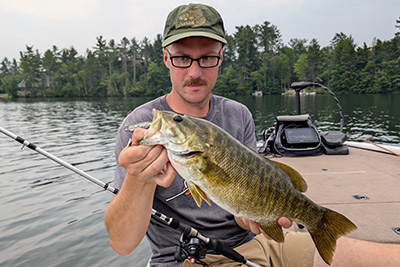
Texas-rigged paddletails are great for working deep weed edges
Hollow-Bodied Swimbaits:
If you are dedicated to drawing big fish from cover, larger hollow-bodied
paddletails are a great option. Many options of these lures will come in the
package with a single hook specifically paired for that lure. If no hook is
provided, some of these larger lures will take a 6/0 or larger weighted EWG. The
manufacturer often will recommend a hook size for the bait on the packaging.
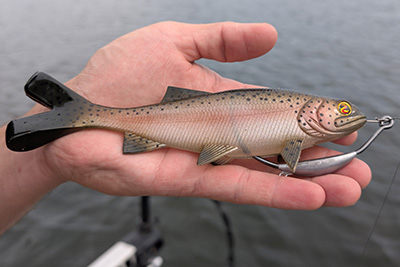
Solid hooksets are a must with these lures, braided line or fluorocarbon being
solid options here
Although these style lures
have their advantages, I often find myself catching pike on these instead of
bass. If I used a smaller profile, I am certain more bass would be landed. The
razor-like teeth from these predators tear up soft plastic far faster than bass
do. Northern pike are notorious for trying to eat lures the same size as
themselves, resulting in a higher chance of lost lures. If you are fishing lakes
without these toothy critters, you may have more consistent results than I do.
Again, using a lure in the 5-6in range will get you a consistent bass bite.
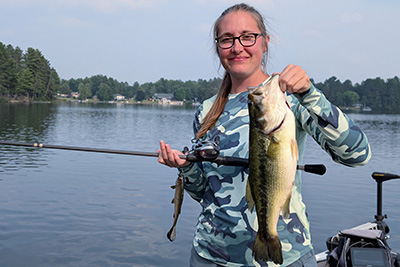
This fish was caught banging across the top of deep sunken wood
Internal Weighted Softbaits:
Being one of
my favorite categories to use as a search bait, internal weighted soft swimbaits
are extremely versatile and cast a country mile, both great attributes to
establishing a pattern. These types of swimbaits come in a wide variety of
shapes and sizes, giving anglers a plethora of options to select what color
schemes works for their waters. These lures have pretty consistent swimming
action, even at lower prices.
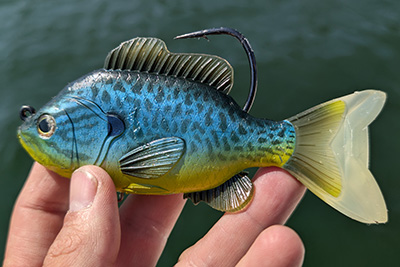
At 7/8oz, the LiveTarget Sunfish Swimbait is manageable on most MH and H powered
rods
Often armed with a large
single hook, these lures are quite snag resistant and easy to use on almost any
rod. Once the hook has penetrated, the chances of the fish shaking free are
pretty low compared to treble hook baits. Many of these style lures use the
dorsal fin of the lure as a weed guard. I found it to be effective enough to
work deep weed edges and around wood. Not completely snag-proof but, good enough
to give me the confidence to cast "just a little bit closer" to cover.
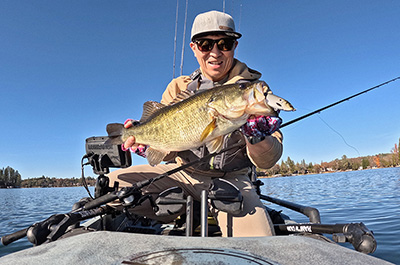
Zander
catching a largemouth with the small Gracely Baits SHAT which can be fished with
conventional non-swimbait specific setups
Many internal weighted soft
swimbaits have a removable treble hook on the belly for an option for more open
water fishing. I myself rarely use this feature but, I know many anglers have
had great success using a belly-mounted treble hook, especially in open water.
Other common styles have a single treble hook on the belly with a swivel in
order to reduce the fish leveraging the hook from it's mouth.
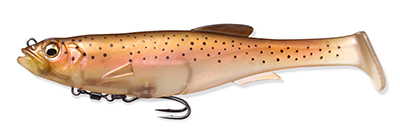
Megabass MagDraft 5in uses a magnet to conceal its treble hook
Another perk to this style
bait for beginners is that there is very little "skill" needed. No twitching,
chopping or other manipulation needed to be effective. Can be as simple as a
steady retrieve or even adding a few flutters to change up the pace. The biggest
thing to keep note of is the fall rate of the lure and how much it rises on the
retrieve. This will help you know where your lure is at various parts of the
cast.
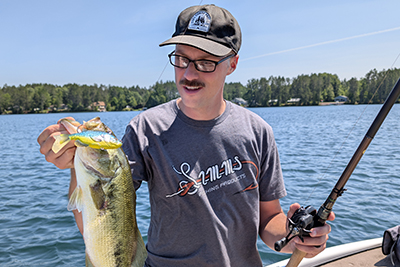
Slow rolling swimbaits in deep water has been producing quality fish this summer
A downside of course would be
durability. The lure themselves are pretty tough but, a short strike and a
quick-triggered hookset can rip tails off, causing the lure to be rendered
useless. On the optimistic side of failure, these lures can also get worn down
from repeated catches... which the battle scars bring a unique charm to the lure.
This does not happen too often and in my experience, internal weighted soft
swimbaits are still the best blend of attributes/price for anglers looking to
expand into swimbait fishing.
Chances are, you have a rod
and reel capable of fishing most swimbaits under 3 ounces. A flipping rod with a
150-sized, mid-speed reel will be sufficient enough to have you decide which
direction you would like to explore within the realm of swimbait fishing.
If I was
building a "let's try swimbait fishing but, have a fall back plan" swimbait
setup, I'd go with a 150 low profile reel like the Daiwa Tatula or
Shimano Curado. Both series have a variety of options to fit your needs
without breaking the bank. These reels can be used as deep crank or even for
mag-spinnerbaits if you decide swimbait fishing will not have a permanent spot
in your rotation.
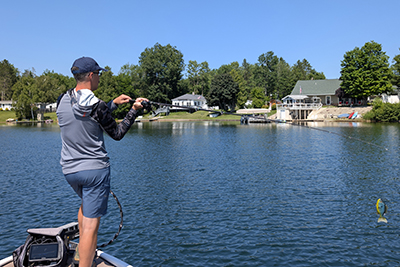
One of my favorite swimbait patterns is slow rolling around deep cover
Next: Rods and Reels
for Big and BFS Swimbaits

|